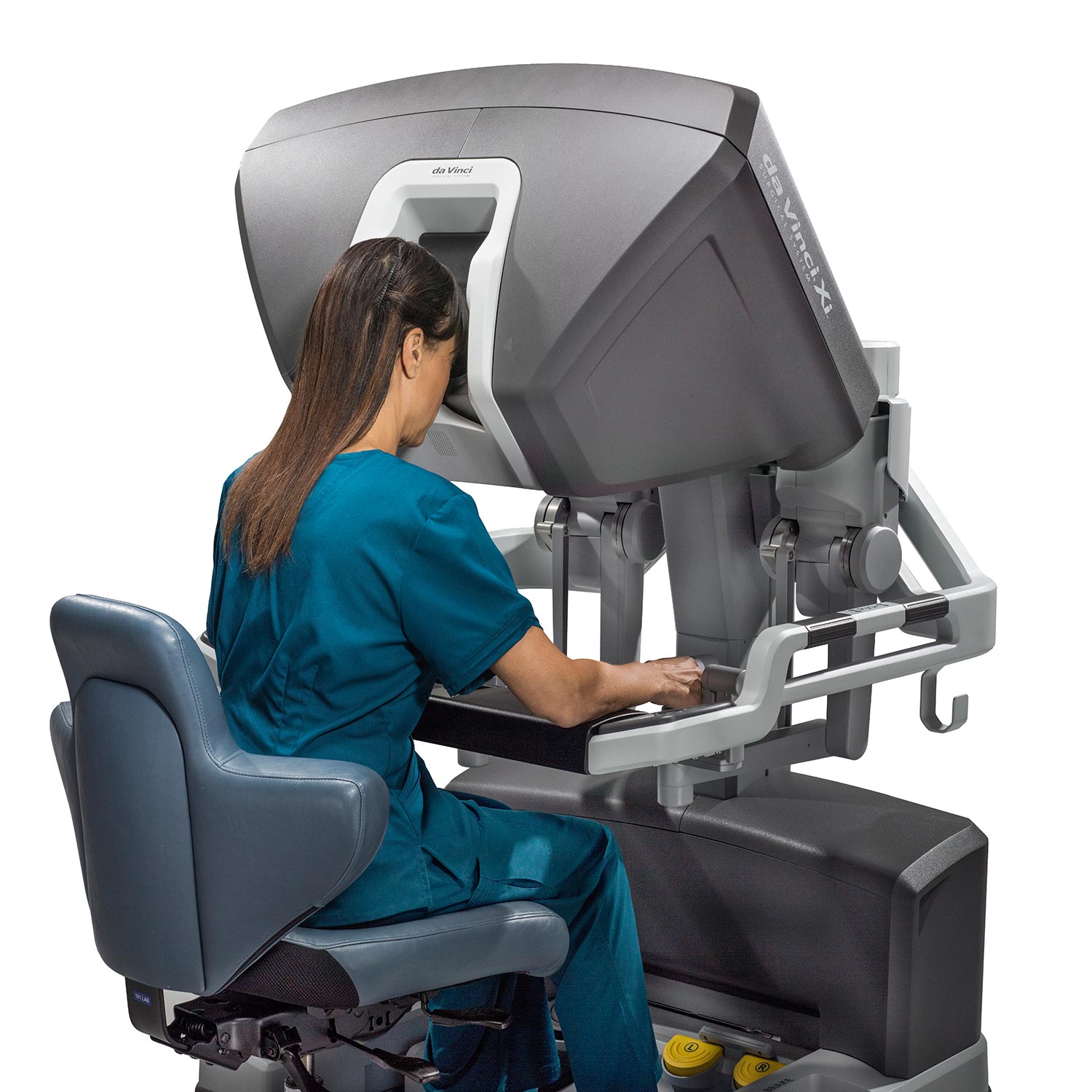
For any operation we do, our goal is to provide an excellent and technically successful procedure using the smallest possible incision and physiologic impact to our patients. Several available technologies assist us in pursuing this goal and are collectively known as minimally invasive surgery. Examples include laparoscopy and robotic-assisted laparoscopy. In general, compared to traditional open procedures, minimally invasive surgery is associated with less pain, a shorter hospital stay and fewer complications.
Laparoscopy was one of the first types of minimally invasive surgery and dramatically changed many abdominal operations. It utilizes small incisions through which plastic tubes called trocars are placed. Through these tubes, carbon dioxide is used to inflate the abdomen and allow visualization of abdominal structures using a camera and telescope. A variety of instruments are available to pass through the trocars for manipulation of tissues to complete the operation. Another type of minimally invasive surgery is robotic-assisted laparoscopic surgery. It provides a magnified, 3-D view of the surgical site and helps the surgeon operate with precision, flexibility and control. Though the term “robotic” can be intimidating, possibly conjuring images of a nonhuman machine having unhindered access to your body, we want to assure you that it is simply another tool that allows us to provide better and more precise care to you. We are in complete control of every motion of the robot throughout your surgery, just like any other surgical instrument.

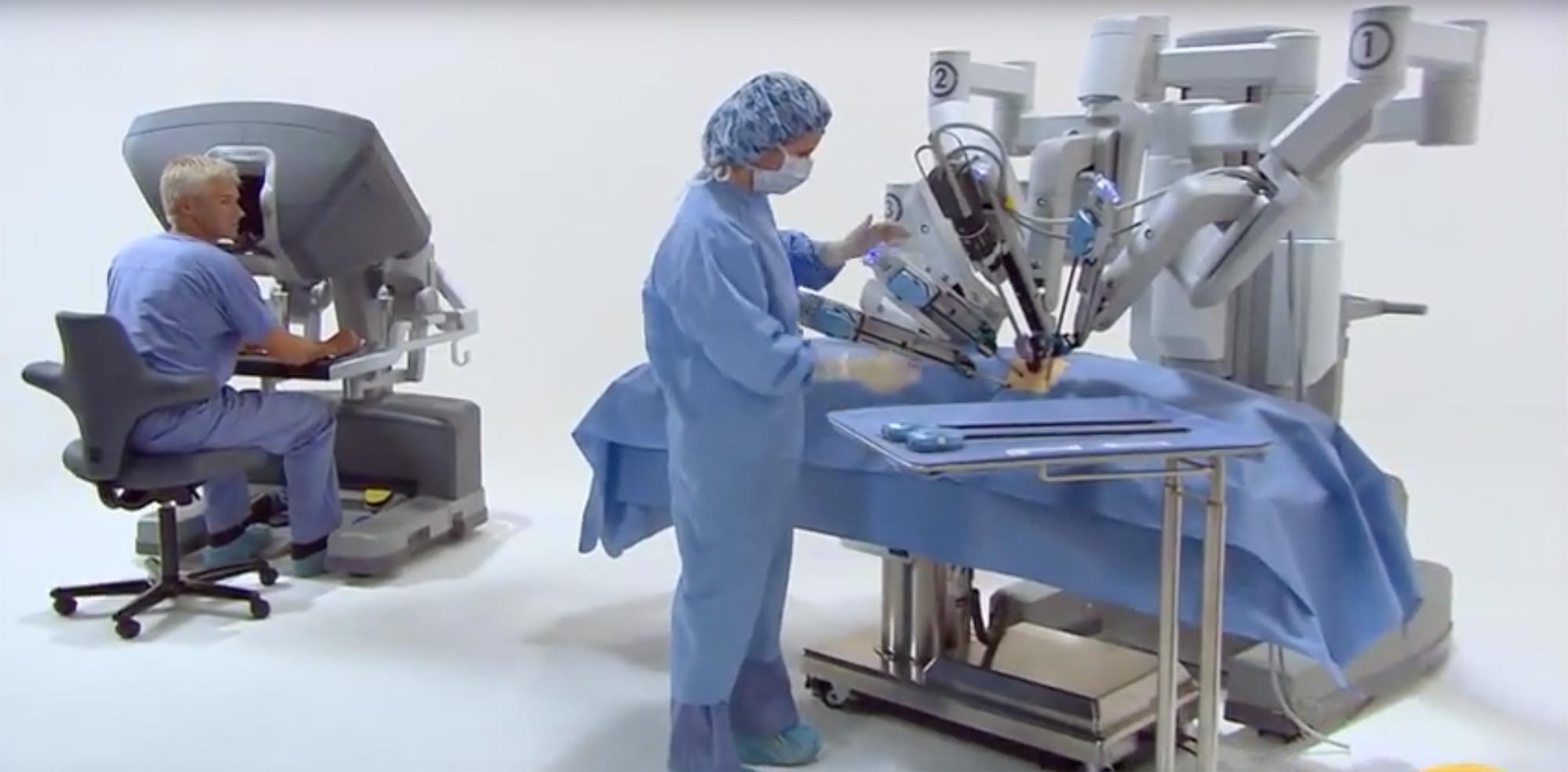
DaVinci robotic assisted lapropscopy – which is utilized to complete a varitey of lapropscopic procedures
Single site surgery – which is utilized to complete a variety of lapropscopic procedures.
Continual innovations in minimally invasive surgery are making it beneficial for people with a wide range of conditions. We will continue to evaluate and incorporate these innovations when appropriate and when proven by medical data, always with the goal of providing safe, effective, and superior care for you.